GroundCloud IO: Fleet Management and Delivery Operations
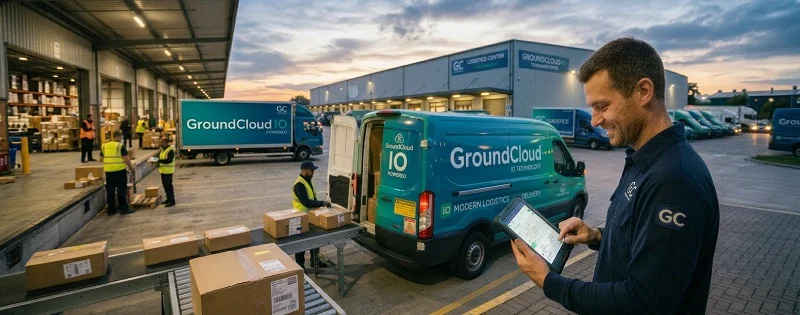
In this era, every type of delivery business is growing rapidly, whether it involves food delivery, parcel delivery, or any other kind of package delivery. At first glance, a delivery company’s job may seem to be simply transporting a package from one place to another, but it involves many other responsibilities. For delivery companies, some of the most important tasks are managing drivers, handling vehicles, planning routes, and keeping track of daily records.
Managing all these tasks through separate tools can become extremely difficult for managers. This is where companies need tools like GroundCloud io. This platform addresses the various needs of delivery business managers and makes it easier for them to manage their daily operations efficiently.
What Is GroundCloud IO?
GroundCloud io is a fleet management and delivery platform specifically designed for last-mile delivery businesses. These businesses have many daily tasks, such as managing drivers, planning safe routes, providing safety training, taking care of vehicles, and keeping daily records. Managing all these tasks with different tools can be very difficult for managers. GroundCloud helps them manage everything in one place and makes their work easier.
This platform helps modern delivery businesses grow and manage their work more efficiently. Managers can use it to arrange delivery stops, plan routes, guide drivers, monitor videos, make sure rules are followed, and check daily reports and feedback. It also keeps office teams and drivers connected during deliveries, helping them work together and complete tasks in an organized way.
Drivers can use the platform on their mobile phones to check their delivery routes and get the information they need for their daily work. The main purpose of GroundCloud is to keep drivers safe, help deliveries run smoothly, and manage all related activities through one platform.
Key Features of GroundCloud IO
GroundCloud includes several tools that help delivery businesses manage their daily tasks. These tools help with everything from driver safety and route planning to reviewing fleet performance. Here are some of these tools:
Route Planning and Stop Sequencing
Route planning is very important for any delivery business. Sending drivers out for deliveries without planning their routes can waste a lot of time. Drivers may need to make several deliveries during a single shift, and without proper route planning, they may travel along the same roads repeatedly and waste valuable time. Route planning tools help organize drivers’ routes before they begin their delivery operations.
GroundCloud io provides route planning tools that help drivers complete their deliveries more efficiently. These tools include arranging delivery stops, guiding drivers through navigation, and showing them where to go for the next delivery. By using these tools, drivers can reach delivery locations on time and save valuable time. When routes are planned properly, drivers can avoid many common daily problems. However, delivery results still depend on traffic conditions, delivery requirements, and the quality and condition of the vehicles.
Driver Safety and Video Monitoring
Keeping drivers and vehicles safe is one of the most important responsibilities of any delivery business. Unsafe driving can put both drivers and vehicles at risk. Therefore, technology helps managers identify potential risks in advance and take steps to keep drivers and vehicles safe.
The GroundCloud platform provides delivery businesses with a VEDR tool. It uses cameras installed inside vehicles and facing the road to record videos during delivery operations. These video recordings can help managers identify vehicle issues or unsafe driving behaviours and review them when needed. This video monitoring can help identify potential risks and prevent drivers from being involved in serious accidents.
Driver Training and Rules
Delivery businesses need drivers who regularly follow company policies and rules. Drivers should consider their work important and complete it safely. New drivers may not be familiar with company rules, policies, and safe driving skills, so training them is an important responsibility for companies.
Ground Cloud includes tools that help managers train new drivers and teach them to follow company rules and policies. These tools also allow managers to check which drivers have completed their training tasks and which tasks are still incomplete. Managers can identify specific mistakes made by drivers and provide training to help them improve. With these tools, managers can stay updated on driver activities and check which drivers are following the rules regularly and which still need more training.
Reporting, Scheduling, and Timekeeping
Managers need daily reports to check how well their fleet is working. They want to know about all fleet activities, such as route planning, driver performance, safety measures, working hours, and vehicle checks. Keeping records of these activities is important for running a delivery business safely.
GroundCloud.io provides tools that help managers keep records of daily work. These reports help managers check daily activities, working hours, driver shifts, and safety measures. Daily reports help managers understand business performance and show them which areas need improvement and more training.
For example, repeated delivery delays can show problems with scheduling or route planning. That is why entering correct information is very important for preparing accurate reports and keeping managers informed about their business.
How GroundCloud IO Helps Delivery Businesses
To run a delivery business in an organized way, good communication between drivers, managers, vehicles, and customers is very important. When teams have to collect information from different systems or tools, it can become difficult to share information with each other. It can also take a lot of time to solve problems that could have been avoided.
GroundCloud io provides different tools that help manage various delivery activities. Its route tools help with route planning. Safety tools help identify unsafe driving and possible vehicle problems. Training tools help improve driver performance and keep drivers safe. Reporting and scheduling tools keep managers updated about daily activities. When all these tools are available on one platform, managing a delivery business becomes much easier.
However, software cannot solve every business problem automatically. Its job is to help identify problems and report them quickly. To solve these problems, businesses still need trained employees, proper management, well-maintained vehicles, and a better schedule. Together, these things can play an important role in the growth of a delivery business.
If team members regularly collect and review the information provided by this platform, it can play an important role in completing delivery operations safely and in an organized way. This can provide many benefits to a delivery business.
Who Can Benefit From Ground Cloud?
The Ground Cloud platform is designed for companies that want to deliver goods from one place to another through last-mile delivery. These companies transport goods from distribution points to their assigned destinations, such as homes, offices, or schools. Their work includes planning different routes, managing multiple delivery stops, following rules and safety guidelines, and managing drivers and vehicles.
This fleet management software or platform is also beneficial for Independent Service Providers and delivery contractors. These companies manage drivers, vehicles, training and coaching, safety guidelines, and daily reports. When all these tasks can be managed through one tool instead of using different systems, it becomes much easier to handle everything.
Any business that manages multiple drivers, vehicles, or route planning can benefit greatly from this platform. Fleet managers can also use these tools to handle daily tasks more easily, such as driver scheduling, route activities, vehicle conditions, reports, and feedback. However, the success of every business depends on its size, the complexity of its operations, and its budget. These tools cannot guarantee success, but they can play an important role in helping a business grow.
GroundCloud IO and Modern Logistics Technology
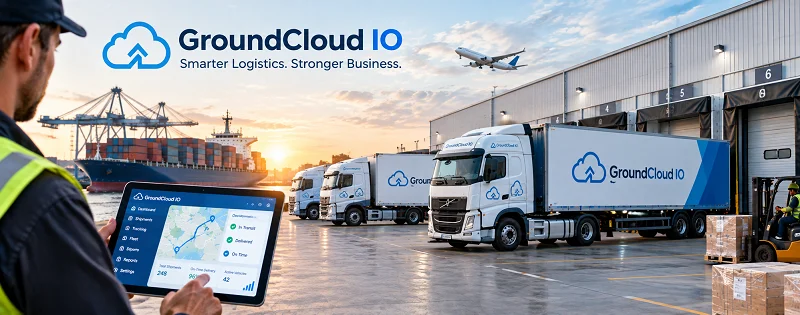
Technology is updated almost every day. These updates continue to change the way delivery businesses and their staff communicate with each other. Technology has made it easier for drivers to plan routes, managers to manage vehicles, and businesses to track daily performance. Mobile applications, digital maps, navigation systems, video recorders, and online reporting are becoming an important part of delivery businesses.
Cloud-based platforms have made it much easier to provide users with information through connected systems. Businesses do not need to depend entirely on paper records or use different systems and computers for every task. Managers and drivers can use these technologies to communicate more easily during delivery operations and improve their daily work.
GroundCloud io is also part of this technology, helping businesses manage their delivery fleets more easily. Its tools are useful for route planning, delivery safety, vehicle management, following rules, and preparing reports. Managers can collect data through these tools to make better decisions. Route information helps them create better schedules, while safety records show which areas need further improvement and training.
To make better decisions and use this information effectively, managers should consider the complete situation instead of relying on a single report. As logistics technology continues to develop, new ways will emerge for delivery businesses to manage their operations, support drivers, and improve monitoring.
Benefits and Limitations to Consider
One of the main benefits of GroundCloudio is that it helps businesses manage different delivery tasks in one place. Managers can use it for route planning, driver safety, training, and reports without having to switch between different systems all the time.
Digital records also make it easier to check daily activities and find problems. Route details help drivers understand where they need to go and what they need to do. Safety records help managers see where drivers need more guidance or training. However, there are a few things businesses should consider before using the software. The cost may depend on the number of routes, vehicles, and services they choose. Businesses may also need suitable cameras to use video safety features. Employees need proper training to understand how to use the software correctly.
Businesses should also check how the platform protects private information, controls access, and stores recorded driver data. Setting up a new platform and adding it to existing work routines may also take some time. Before choosing a plan, businesses should consider these points and decide whether the software meets their needs and fits their budget.
GroundCloud Pricing and Plans
Price is an important thing to consider when choosing fleet management software. GroundCloud has offered different plans for its main software and video safety services. The cost depends on the number of active routes, vehicles, or services a business chooses.
Previously listed prices included the Standard plan at $30 per month for each active route, the VEDR service at $30 per month for each active vehicle, and a Standard plus VEDR bundle at $50 per month. However, these prices should be checked because costs, plan details, and requirements may change over time.
The Standard plan includes tools for daily delivery operations, such as route planning, scheduling, navigation, arranging delivery stops, and preparing reports. VEDR services focus on camera-based monitoring and other safety features that help businesses keep track of driving activities.
Before choosing a plan, businesses should contact GroundCloud to confirm the latest prices, camera requirements, billing terms, and included features. They should also consider how many routes and vehicles they manage and whether they need any extra services. This can help them choose a plan that suits their needs and budget.
Getting Started With GroundCloud Io
Businesses that want to use GroundCloud io should first identify the problems they need to solve. These may include poor route planning, difficulty monitoring driver safety, spending too much time managing training records, or problems checking fleet performance.
After that, they can explore the available services and contact the GroundCloud team to discuss their needs. Before choosing a plan, they should ask about pricing, supported devices, camera requirements, training materials, and the setup process. Once they have selected the right services, managers can set up routes, give drivers access to the system, and explain how it works to employees. Proper training helps drivers and office staff understand how to use the tools in their daily work.
Businesses can also introduce the system step by step instead of using it across their entire fleet at once. This gives managers time to find problems, collect feedback, check reports, and make changes when needed. It is also important to set clear rules for driver monitoring, video recordings, and access to private information. These steps can help businesses use Ground Cloud responsibly and manage their delivery operations more effectively.
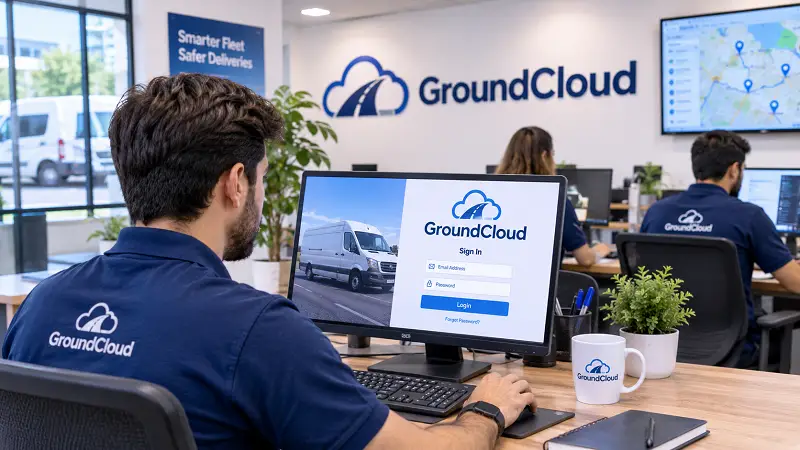
To access the platform and explore its available features, users can learn more about the GroundCloud Login process and how to get started.
Frequently Asked Questions
What Is GroundCloud IO and How Does It Help Delivery Companies?
GroundCloud io is a term related to GroundCloud, a fleet management platform for delivery businesses. It helps companies manage routes, driver safety, training, and daily tasks.
How Does GroundCloud Help Managers Check Fleet Performance?
GroundCloud gives managers tools to check route activities, safety records, and daily reports. This helps them find problems and see which areas need improvement.
Can Ground Cloud Help Drivers Manage Delivery Routes?
Yes, GroundCloud io provides route planning tools that help drivers arrange delivery stops, follow assigned routes, and reach their destinations more easily.
What Safety Tools Does GroundCloudIo Offer?
GroundCloud offers video-based safety tools, including VEDR services. These tools help managers review driving events, monitor safety, and guide drivers to improve their driving habits.
Is GroundCloud.io Suitable for Last-Mile Delivery Businesses?
Yes, GroundCloud io is designed for last-mile delivery businesses and Independent Service Providers. It helps them manage routes, coordinate drivers, monitor safety, and organize daily fleet operations.
Conclusion
Delivery businesses need good ways to plan routes, support drivers, keep records, and check how well their fleets are working. Fleet management software can help bring these tasks together and make it easier for managers to access important information. However, businesses should choose software that fits their size, budget, and daily needs. GroundCloud offers tools for route planning, driver safety, training, following rules, and preparing reports. For businesses looking into GroundCloud io, learning about these features is a good first step toward understanding how fleet management software can help with daily delivery work. Checking the latest plans and available services can help businesses decide whether Ground Cloud is the right choice for their teams. For more topics, please visit GroundCloud!
Ground Cloud: A Complete Guide to Fleet Management
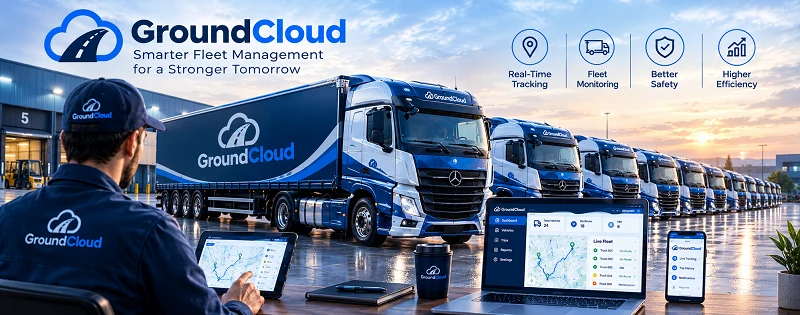
Managing a delivery fleet requires careful planning, reliable vehicles, clear communication, and responsible drivers. Ground Cloud is a fleet management platform that helps delivery businesses organize operations, support driver safety, and improve visibility across daily activities. Understanding fleet management helps businesses make better decisions about vehicles, employees, schedules, and transportation resources.
As delivery services grow, companies face increasing pressure to complete work efficiently while maintaining high safety standards. Managers must coordinate drivers, respond to changing conditions, and ensure customers receive dependable service. Handling these responsibilities through paperwork, separate spreadsheets, and repeated phone calls can become difficult as operations expand.
Modern fleet management combines organized procedures with digital tools that help employees share information and complete their responsibilities. Route planning, driver applications, safety monitoring, scheduling, and reporting can contribute to a more organized working environment. Technology provides the greatest value when businesses understand their needs, train employees, and use information responsibly.
What Is Fleet Management?
Fleet management is the process of organizing and overseeing vehicles, drivers, routes, maintenance, schedules, and other transportation activities. It helps businesses keep vehicles suitable for work, ensure employees understand their responsibilities, and maintain consistent operating procedures. A fleet may include delivery vans, trucks, cars, or other vehicles used for business purposes. Some companies operate only a few vehicles, while larger transportation businesses coordinate hundreds of drivers across different locations.
Fleet management involves several connected responsibilities. Managers assign vehicles, plan routes, review expenses, arrange maintenance, and maintain accurate records. They may also monitor delivery progress, investigate delays, and ensure employees follow safety requirements. Digital platforms can make these activities easier by organizing information in one place. Instead of searching through separate documents, authorized employees can access relevant records through a shared system. This can reduce repetitive work and improve communication between drivers, dispatchers, and supervisors.
Understanding Ground Cloud in Delivery Operations
Fleet management platforms help delivery businesses coordinate activities that must work together throughout the day. These activities include preparing routes, communicating instructions, recording progress, reviewing safety information, and evaluating performance. Ground Cloud is relevant to this area because delivery operations depend on organized information and consistent communication between drivers and management teams. A centralized workflow can make information easier to review and update. Depending on the available tools, employees may access route details, record activities, review reports, and communicate important changes through connected applications.
The purpose is not to remove human judgment from transportation. Instead, digital tools should help employees understand their responsibilities and give managers useful information for making decisions. Drivers must still assess road conditions, follow traffic laws, and respond carefully to unexpected situations. Businesses should examine a platform’s actual features before deciding whether it meets their requirements. Understanding available tools, costs, limitations, and training needs helps organizations choose technology that supports everyday work.
Route Planning and Stop Sequencing
Route planning is an important part of delivery management because drivers often visit many locations during one shift. The order of these stops can affect travel distance, completion times, fuel consumption, and overall workload. Route planning tools help organize destinations into practical sequences. Depending on the system, these tools may consider locations, distances, delivery requirements, and other operational factors. A well-organized route gives drivers a clearer plan and helps managers distribute work effectively.
Stop sequencing is particularly useful when a route includes numerous addresses. Arranging stops logically may reduce unnecessary movement and make better use of working time. However, the best sequence can change when traffic, road closures, customer availability, or access restrictions affect a journey. Good route planning combines digital recommendations with practical experience. The goal is to create realistic routes that support timely service without encouraging drivers to rush or compromise safety.
Navigation and Driver Applications
Navigation tools help drivers travel between delivery locations with greater confidence. Turn-by-turn directions provide instructions about upcoming turns and road changes, reducing the need to search for directions repeatedly. These tools are especially useful when employees work in unfamiliar neighborhoods or cover large service areas. Driver applications can provide access to assigned routes, delivery instructions, stop notes, and other work-related details through a supported mobile device. Instead of carrying several printed documents, employees can review relevant information within their daily workflow.
Employees must learn to use navigation tools responsibly. They should never interact with a device in a way that distracts them while driving. Training should explain how to review directions safely, report incorrect information, and follow procedures when a route becomes inaccessible.
Driver Safety and Risk Prevention
Driver safety should remain a priority throughout every transportation operation. Road accidents can cause injuries, damage vehicles, interrupt deliveries, and create unexpected financial costs. A strong safety program helps businesses identify risks and establish practical ways to reduce them. Technology alone cannot guarantee safe driving. Employees must follow speed limits, maintain appropriate distances, avoid distractions, and adjust their behavior to road and weather conditions. Managers should communicate expectations clearly and provide regular training.
Safety coaching is most effective when it explains specific behaviors and offers practical improvements. Rather than focusing only on mistakes, supervisors can help drivers understand risks, develop safer habits, and recognize progress over time. Vehicle condition also affects safety. Faulty brakes, damaged tires, broken lights, and neglected maintenance can create serious problems. Businesses should maintain inspection schedules and ensure employees report mechanical concerns promptly.
Vehicle Monitoring and Operational Visibility
Vehicle monitoring helps managers understand how their fleet is being used and whether daily operations are progressing as expected. Depending on the system, available information may include vehicle activity, route progress, recorded driving events, or other operational details. Monitoring information should always be interpreted carefully. A late arrival does not automatically mean a driver has performed poorly. Weather, road closures, customer availability, and unexpected vehicle problems can all affect delivery times.
Businesses should establish clear rules explaining what information they collect, why it is necessary, and who can access it. Employees should understand how monitoring information may be used and how their privacy will be protected. Responsible monitoring focuses on legitimate operational needs, safety, and service improvement. It should not encourage managers to make unfair assumptions based on incomplete information.
When GroundCloud io is combined with driver feedback and accurate records, businesses can develop a clearer understanding of operations. This information can support realistic schedules, better resource allocation, and informed decisions about recurring challenges.
Video Monitoring and Safety Coaching
Some fleet management systems support cameras that record road conditions or activity inside a vehicle. Depending on the equipment and software, recordings may help supervisors review incidents, understand driving conditions, and identify opportunities for safety training. Road-facing cameras can provide information about events occurring ahead of a vehicle. Cabin-facing cameras may offer additional context about driver activity, subject to equipment design and applicable privacy requirements.
Automated alerts are not always accurate. Lighting, camera position, road conditions, and other factors may affect how an event is interpreted. Supervisors should review relevant evidence before concluding an employee’s behavior. Effective coaching should be respectful, specific, and focused on improvement. A supervisor can explain what happened, discuss safer alternatives, and help the driver understand how to avoid similar risks.
Businesses should establish clear policies about recording, access, retention, and the use of video evidence. Transparent procedures protect privacy, support fair treatment, and help employees understand the purpose of safety monitoring.
Dispatching, Scheduling, and Timekeeping
Dispatching connects available vehicles and drivers with the work that needs to be completed. An organized dispatch process helps supervisors assign routes, communicate instructions, and respond when circumstances change. Scheduling determines when employees work and how responsibilities are distributed. Good schedules account for delivery volume, travel time, breaks, vehicle availability, and practical limitations. Unrealistic schedules can create unnecessary pressure and encourage unsafe decisions.
Timekeeping supports accurate records of working hours and related activities. Depending on the system, digital records may reduce manual data entry and make administrative reviews easier. Accurate time information is important for payroll, workforce planning, and compliance with employment requirements. Scheduling tools should support reasonable workloads rather than simply maximizing the number of assigned deliveries. Managers must consider employee well-being, road safety, legal requirements, and customer expectations.
Clear procedures help everyone understand their responsibilities. Drivers should know where to find assignments, how to report delays, and whom to contact when unexpected problems affect their work.
Reports, Dashboards, and Performance Analysis
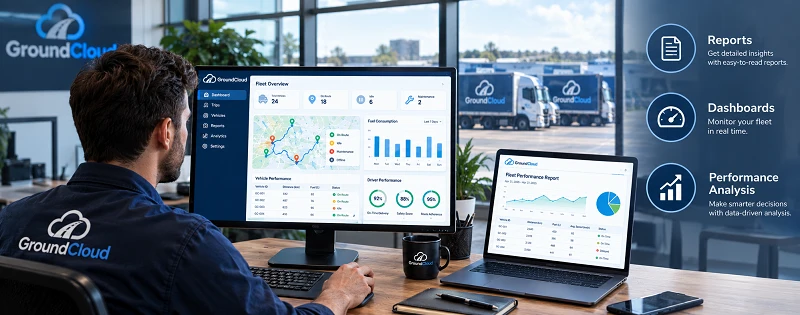
Reports help managers understand how well their fleet is performing. Instead of reviewing numerous separate records, supervisors can use organized summaries to identify trends and investigate changes in daily operations. Performance reports can reveal differences between planned activities and actual results. If delivery completion rates decline, managers can investigate whether the cause involves traffic, staffing, route design, vehicle reliability, or changes in delivery volume.
Measurements should be selected carefully. Focusing only on speed or the number of completed stops may encourage unsafe behavior and overlook customer satisfaction. Businesses should consider service quality, safety, accuracy, and employee feedback alongside numerical results.
Reports are most valuable when managers use them to investigate problems and make practical improvements. Data should guide decisions rather than replace common sense. Regular reviews help organizations understand what is working, identify weaknesses, and adjust procedures according to actual operating conditions.
Maintenance and Vehicle Readiness
Vehicle maintenance is essential for keeping delivery operations dependable. Every vehicle needs appropriate inspections, servicing, and repairs to remain suitable for daily work. Ignoring small mechanical problems can lead to expensive breakdowns, unexpected delays, or dangerous road conditions. A maintenance schedule should identify when vehicles need inspections and servicing. Records can include service dates, repair details, mileage, reported problems, and upcoming maintenance requirements. Keeping this information organized helps managers understand vehicle condition.
Drivers also have an important role in vehicle readiness. Before starting a shift, they should complete required inspections and report visible damage or mechanical concerns. Problems that could make a vehicle unsafe should be addressed according to company procedures before it returns to service. Preventive maintenance is generally more practical than waiting for a breakdown. By planning inspections and addressing problems early, businesses can reduce avoidable interruptions and support safer transportation.
Benefits for Delivery Businesses
Delivery businesses must balance service quality, operating expenses, employee safety, and customer expectations. Organized fleet management can support these goals by improving communication and making operational information easier to understand. One potential benefit is reduced administrative work. Digital records can limit repeated data entry and make important information easier to retrieve. Employees may spend less time searching through documents and more time completing tasks that require attention.
These benefits depend on how a system is implemented and used. A digital platform cannot automatically correct poor scheduling, insufficient staffing, inaccurate records, or weak management practices. Businesses should establish clear goals before introducing new tools. They might measure delivery completion, administrative workload, maintenance interruptions, or safety trends. Reviewing these indicators over time helps managers determine whether their approach is producing useful results.
Costs and Common Challenges
Fleet management involves costs beyond purchasing or subscribing to software. Businesses may need compatible devices, camera equipment, installation, employee training, technical support, and ongoing maintenance. Another challenge is employee adoption. Drivers and supervisors may struggle if the system is difficult to understand or training is inadequate. Introducing tools gradually and collecting feedback can make the transition easier.
Connectivity problems can affect mobile applications in areas with weak network coverage. Businesses should understand which functions remain available offline and establish backup procedures for important tasks. Privacy and data protection also require attention. Organizations should control access to sensitive records, explain monitoring practices, and follow applicable laws. A system should be selected according to the business’s actual needs rather than simply because it offers many features.
Choosing and Implementing the Right Platform
Choosing a suitable fleet management platform begins with identifying the problems that need to be solved. A small delivery operation may mainly need route planning and basic reporting, while a larger company may require scheduling, safety monitoring, maintenance records, and extensive operational analysis. Managers should list essential features and compare them with available budgets. They should also review device compatibility, support arrangements, data protection, reporting capabilities, and the process for exporting information if they later change providers.
For businesses considering GroundCloud, understanding the available features and their practical relevance is important before making decisions. Managers should confirm which tools are included, how they fit existing workflows, and whether employees can use them effectively. A small trial can reveal problems before a full rollout. Testing the system with selected drivers or routes allows supervisors to examine usability, accuracy, and its effect on daily responsibilities.
After implementation, managers should review performance regularly. They can identify technical problems, adjust procedures, and provide additional training where needed. Successful adoption depends on continuous improvement rather than a single installation.
Data Security and Responsible Monitoring
Fleet management systems may store information about drivers, routes, vehicles, and business activities. Protecting this information is important because unauthorized access can expose confidential records or interrupt operations. Businesses should use strong passwords, enable multifactor authentication where available, and limit access according to employees’ responsibilities. Individual accounts are generally preferable to shared logins because they make it easier to understand who accessed or changed information.
Organizations should review how information is collected, stored, shared, and retained. Driver monitoring and video recording require particular care because they may involve personal information. Employees should understand what is recorded and why. Regular reviews of permissions can help prevent former employees or unauthorized users from retaining access. Businesses should also understand their provider’s backup arrangements and procedures for recovering information after an incident.
A clear security policy should explain how employees report suspicious activity, lost devices, and possible data exposure. Training helps staff recognize fraudulent messages and avoid unsafe practices. Security is a shared responsibility. Service providers may maintain technical protections, but customers must still configure accounts carefully, manage access, and follow appropriate procedures.
The Future of Fleet Management
Fleet management continues to develop as transportation businesses look for better ways to organize deliveries and support drivers. New technologies may improve how companies plan routes, review safety information, analyze performance, and manage vehicle resources. Artificial intelligence can help analyze operational information and identify patterns that deserve attention. Analytical tools may help managers recognize recurring delays or compare performance across different periods. Their findings still require human review because incomplete information can produce misleading conclusions.
Connected devices may provide more timely information about vehicle activity and operational conditions. When these tools are properly configured, managers can gain a clearer understanding of what is happening across their fleets. Automation may reduce repetitive administrative work, allowing employees to concentrate on decisions that require experience and judgment. However, automated recommendations should not replace responsible driving, careful supervision, or compliance with transportation rules.
For GroundCloud and similar fleet management solutions, future value will depend on how effectively technology addresses real operational needs. Businesses will continue to require dependable systems, clear reporting, useful training, and appropriate safeguards for sensitive information.
Frequently Asked Questions
What Is Fleet Management?
Fleet management involves organizing vehicles, drivers, routes, maintenance, schedules, and transportation records. Its purpose is to support safe, reliable, and efficient daily operations.
How Does Route Planning Help Drivers?
Route planning arranges delivery stops into a practical sequence. It can reduce unnecessary travel and improve time management while helping drivers understand their assigned responsibilities.
Why Is Driver Safety Important?
Driver safety protects employees, customers, vehicles, and other road users. Regular training, vehicle inspections, responsible monitoring, and clear procedures help reduce risks.
Can Fleet Management Reduce Operating Costs?
It may help reduce unnecessary travel, administrative work, and avoidable vehicle downtime. Results depend on accurate information, effective planning, and responsible implementation.
What Should Businesses Consider Before Choosing a Platform?
Businesses should evaluate features, costs, compatibility, security, training, and customer support. Their choice should reflect fleet size, operational challenges, and long-term requirements.
Conclusion
Effective fleet management depends on organized routes, reliable vehicles, responsible drivers, accurate records, and clear communication. Digital tools can bring these activities together, helping businesses understand their operations and identify opportunities for improvement. However, technology works best when supported by practical training, appropriate safety procedures, careful budgeting, and regular performance reviews. Ground Cloud is part of the wider discussion about fleet management platforms that help delivery businesses coordinate daily work and support safer, more organized transportation. By choosing the right tools and using them responsibly, businesses can strengthen operations, improve visibility, and deliver more dependable service. Read more on Groundcloud!
Ground Cloud io: Exploring Fleet Management Features
Ground Cloud Login: How to Access Your Account Easily
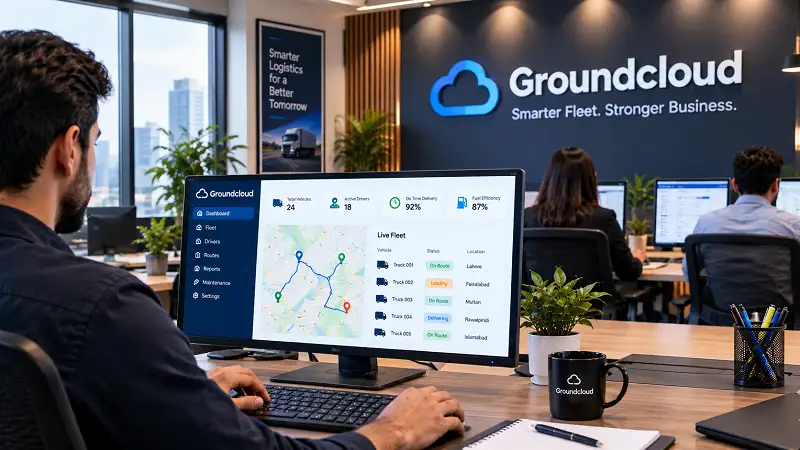
Groundcloud io: How Digital Technology Supports Transportation
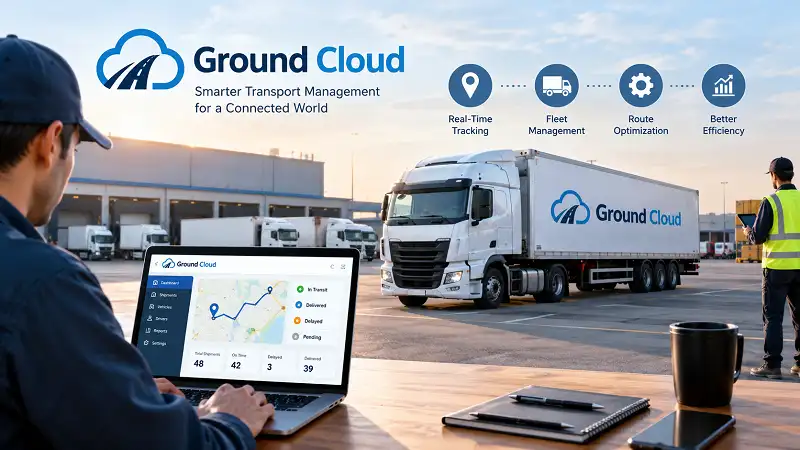
Ground Cloud and Its Role in Transportation Management

GroundCloudio: Improving Last-Mile Delivery Management

GroundCloud.io: Features, Benefits, and Fleet Management
GroundCloud Login: How to Sign In and Fix Common Issues