Modern transportation and delivery systems depend on accurate information, reliable communication, and efficient planning. Businesses that move products from one location to another must manage drivers, vehicles, schedules, and customer expectations every day. In this changing environment, Ground Cloud represents an idea associated with improving logistics operations through digital tools, organized information, and better coordination. Understanding how cloud technology supports transportation can help businesses make smarter decisions and improve their daily performance.
Logistics has become more complex as customers expect faster deliveries and greater transparency. Companies must balance operating costs, delivery deadlines, road conditions, and workforce management. Digital solutions can simplify these responsibilities by bringing important information together in one place. Although technology cannot eliminate every transportation challenge, it can help businesses respond more effectively, reduce unnecessary delays, and create smoother workflows for employees and customers.
What Is Ground Cloud?
The term Ground Cloud can be understood in the broader context of modern logistics technology, where transportation activities are supported by connected digital systems. These systems help businesses organize operational information, monitor progress, communicate with employees, and manage delivery-related tasks. The exact features depend on the particular platform or service being discussed, so the term should not automatically be treated as the name of one specific product.
Cloud computing allows information and software to be accessed through internet-connected devices rather than relying entirely on computers located inside an office. When applied to ground transportation, this approach can help dispatchers, managers, and drivers work with updated information. Instead of maintaining separate records across different locations, a company can use digital tools to improve visibility and coordination.
For example, a delivery manager may need to check which vehicles are available, determine whether a shipment has reached its destination, or review a driver’s assigned route. Suitable logistics software can make these tasks easier by organizing relevant information and presenting it in a useful format.
How Cloud Technology Supports Ground Transportation
Ground transportation involves many connected activities. A shipment must be prepared, assigned to a vehicle, transported along a suitable route, and delivered to the correct destination. Each stage requires communication and accurate records. Cloud-based systems can support this process by allowing authorized users to access shared information when they need it.
When dispatchers update assignments, drivers may receive revised instructions through compatible devices. Managers can review delivery progress without waiting for paper reports or repeated phone calls. Office staff can also coordinate with customers using information collected during transportation.
These capabilities depend on reliable internet access, appropriate software, and accurate data. A digital system is most useful when employees understand how to operate it and follow consistent procedures. Technology provides the tools, but effective management determines how well those tools support daily work.
Important Features of Digital Logistics Systems
Real-Time Tracking and Visibility
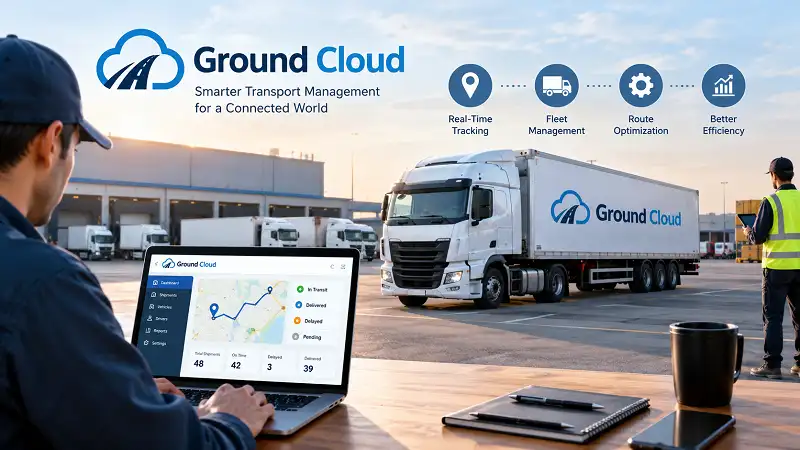
Shipment visibility is an important part of transportation management. Tracking tools can provide information about vehicle locations, delivery progress, and estimated arrival times when supported by available devices and services. This information helps managers identify delays and communicate realistic expectations to customers.
Tracking also supports better decision-making. If a road becomes congested or a delivery takes longer than expected, dispatchers may be able to adjust plans. However, tracking accuracy depends on location technology, connectivity, and timely updates. Businesses should explain clearly what their tracking systems can and cannot show.
Route Planning and Scheduling
Route planning helps drivers travel between delivery locations efficiently. Digital tools can organize stops, estimate travel times, and consider factors such as distance, traffic information, vehicle capacity, and delivery deadlines when those features are available.
Well-planned routes can reduce unnecessary driving and help companies complete more deliveries within working hours. Scheduling tools can also prevent overlapping assignments and make workloads easier to manage. Nevertheless, road closures, weather conditions, and unexpected customer requests may require drivers and dispatchers to revise their original plans.
Digital Documentation
Transportation companies often handle delivery confirmations, invoices, inspection records, shipment details, and other documents. Paper-based processes can become difficult to manage when records are spread across multiple offices or stored in different locations.
Digital documentation makes information easier to organize, search, and share with authorized employees. Electronic records can also reduce repetitive data entry and help businesses prepare reports. Companies should establish clear procedures for correcting mistakes, retaining records, and controlling access to confidential information.
Communication and Notifications
Reliable communication keeps transportation activities organized. Drivers may need updated delivery instructions, dispatchers may need progress reports, and customers may want notifications about arrival times. Digital communication tools can help distribute relevant updates without requiring every conversation to happen through separate phone calls.
Automated notifications can save time when they are configured correctly. However, excessive alerts may distract employees or create confusion. Businesses should send clear, relevant messages and provide an alternative communication method when technical problems interrupt normal operations.
Benefits for Businesses
Improved Operational Efficiency
One major benefit of connected logistics systems is the ability to organize information more efficiently. Employees can spend less time searching through paperwork, checking separate spreadsheets, or requesting updates from different departments. This allows them to focus on important responsibilities, including planning deliveries and solving operational problems.
Better coordination can also reduce duplicated work. When departments use consistent records, everyone has a clearer understanding of shipment status, assignments, and outstanding tasks. The greatest improvements usually occur when digital tools are combined with well-designed processes and appropriate employee training.
Better Cost Management
Transportation expenses include fuel, vehicle maintenance, labor, insurance, and administrative work. Digital planning tools can help companies identify unnecessary journeys, inefficient schedules, and recurring operational problems. Managers can use these findings to investigate where money is being spent and determine whether changes are worthwhile.
Technology itself also creates expenses, including subscriptions, devices, connectivity, implementation, and support. Businesses should compare these costs with measurable benefits before adopting a new system. A solution that works well for a large delivery company may not be necessary for a small local operation.
Stronger Customer Service
Customers appreciate dependable delivery estimates and clear communication. When employees can access accurate shipment information, they can answer questions more confidently and explain delays more effectively. Consistent updates also reduce uncertainty, especially when customers need to arrange their schedules around a delivery.
Good customer service requires more than tracking technology. Courteous communication, realistic promises, careful handling of goods, and prompt responses to complaints remain essential. Digital tools are most effective when they support these basic service standards rather than replace personal responsibility.
Applications Across Different Industries
Logistics technology is useful in many industries because businesses regularly move materials, products, equipment, or supplies between locations. Retailers use transportation systems to replenish stores and deliver online orders. Manufacturers coordinate shipments of raw materials and finished goods. Food distributors manage delivery schedules while considering product freshness and handling requirements.
Construction companies may need to transport machinery, building materials, and equipment between work sites. Healthcare suppliers must coordinate the movement of medical products while following relevant storage and handling rules. Service businesses can also benefit from organized vehicle assignments and appointment scheduling.
Each industry has different requirements. A company transporting temperature-sensitive goods needs capabilities that may not be necessary for a furniture delivery business. Selecting suitable technology therefore requires understanding the actual work, the risks involved, and the information employees need to perform their responsibilities.
Safety and Compliance Considerations
Transportation businesses must prioritize driver safety, vehicle condition, and applicable legal requirements. Digital systems can help organize inspection schedules, maintenance records, training documentation, and operational reports. When properly configured, reminders may help managers notice upcoming responsibilities before deadlines are missed.
Monitoring tools should be used responsibly. Businesses need clear policies explaining what information is collected, why it is collected, who can access it, and how long it is retained. Employees should understand relevant monitoring practices, and organizations should follow applicable privacy and employment laws.
Technology does not replace professional judgment or mandatory safety procedures. Drivers must continue following traffic regulations, completing required inspections, and reporting dangerous conditions. Managers should never encourage employees to take risks simply to meet automated delivery estimates or performance targets.
Challenges and Limitations
Despite its advantages, cloud-based logistics technology can introduce challenges. Internet disruptions may prevent employees from accessing current information. Software errors can create incorrect assignments, while poorly maintained records may produce misleading reports. Businesses should prepare backup procedures and ensure employees know how to continue essential tasks during an outage.
Data security is another important concern. Transportation records may contain customer addresses, employee details, shipment information, and business-sensitive data. Weak passwords, excessive permissions, and outdated software can increase security risks. Companies should use appropriate access controls, secure authentication, regular updates, and reliable backup practices.
Implementation also requires time and cooperation. Employees may resist unfamiliar systems if training is insufficient or the benefits are unclear. Managers should introduce changes gradually, explain expectations, collect feedback, and provide practical assistance. Choosing a system with unnecessary features can increase costs without improving daily operations.
Choosing the Right Logistics Solution
Businesses should begin by identifying their most significant transportation problems. These might include missed delivery windows, limited shipment visibility, inaccurate records, excessive paperwork, or difficulty coordinating drivers. Clear objectives make it easier to evaluate whether a proposed system addresses genuine needs.
Next, companies should examine functionality, ease of use, compatibility, security, customer support, and total cost. They should ask whether the software works with existing accounting or inventory systems and whether employees can access it using available devices. Demonstrations and limited trials can reveal practical limitations before a full rollout.
Decision-makers should also consider future requirements. A growing company may eventually need more vehicles, additional locations, or more detailed reporting. A flexible solution can support expansion, but businesses should avoid paying for capabilities they are unlikely to use. The best choice is one that matches current operations while allowing reasonable growth.
The Future of Ground Transportation Technology
Transportation technology continues to develop as companies explore artificial intelligence, connected vehicles, predictive analytics, and automated reporting. These tools may help businesses forecast delivery demand, identify recurring delays, estimate maintenance needs, and improve resource allocation.
Artificial intelligence can analyze large amounts of operational information, but its recommendations depend on the quality of the data and the suitability of the model. Human oversight remains important when decisions affect safety, employment, customer commitments, or significant expenses.
Environmental responsibility is another growing consideration. Better route planning and fewer unnecessary journeys may help reduce fuel consumption and vehicle emissions. Companies can also evaluate electric vehicles and other efficiency measures where practical. Progress depends on local infrastructure, operational requirements, and realistic investment plans.
Conclusion
Ground Cloud reflects the broader movement toward connected, data-driven transportation management. Cloud technology can help logistics businesses organize information, coordinate employees, monitor shipments, and improve communication. These capabilities can support efficiency, customer satisfaction, and more informed decisions when they are matched to genuine operational needs.
Successful adoption requires careful planning, reliable information, employee training, security controls, and sensible performance measurement. Businesses must also recognize that software cannot solve every problem or replace safe working practices. By evaluating available tools thoughtfully and improving processes alongside technology, transportation organizations can build more reliable operations and prepare for changing customer expectations. For more details, please visit GroundCloud!