Modern transportation depends on careful planning, reliable communication, and efficient management. Delivery companies, trucking businesses, and logistics teams must coordinate drivers, vehicles, schedules, and customer requirements every day. As these operations become more complex, digital tools help businesses organize their work and reduce unnecessary delays. Groundcloud io is a useful topic to explore when discussing how technology supports fleet management, driver coordination, and transportation operations. Understanding these systems helps explain how companies can improve productivity, maintain accurate records, and deliver goods more efficiently in an increasingly competitive industry.
Understanding Fleet Management
Fleet management involves supervising vehicles, drivers, routes, maintenance, and transportation activities. Businesses with several vehicles need organized systems to ensure that each vehicle is used properly and every delivery follows an appropriate schedule.
Without effective management, companies may experience missed appointments, higher fuel expenses, poor communication, and unnecessary vehicle downtime. Paper records and separate spreadsheets can also make information difficult to update or share.
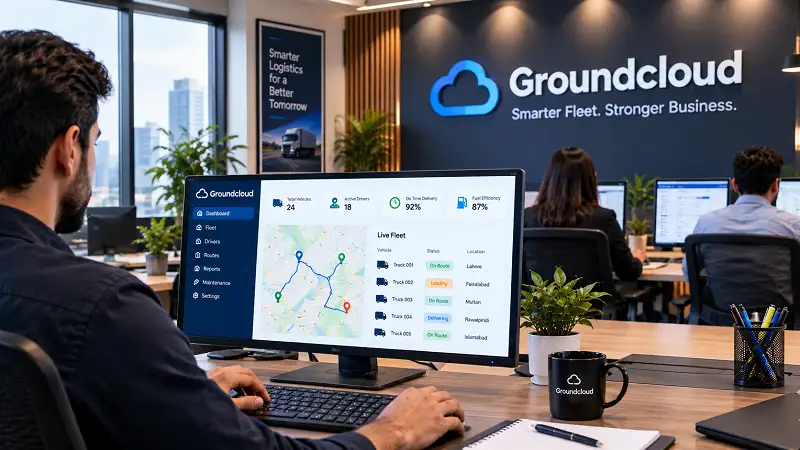
Digital fleet management systems bring important information together in one place. Managers can review schedules, monitor operational progress, maintain records, and identify problems that require attention. These capabilities make daily transportation work easier to organize.
The Role of Transportation Technology
Transportation technology helps businesses manage information more accurately and make informed decisions. Digital platforms can support communication between dispatchers, drivers, supervisors, and administrative employees.
For example, a dispatcher may need to assign a delivery, confirm a driver’s availability, and communicate a change in the schedule. When information is scattered across different systems, completing these tasks can take extra time.
A connected digital process makes information easier to access and update. Depending on the available features, technology may also support electronic documentation, reporting, scheduling, and performance monitoring.
These tools do not eliminate every operational challenge. However, they can reduce repetitive administrative work and help employees concentrate on important decisions.
How Groundcloud io Fits Into Fleet Operations
Fleet operations involve many connected responsibilities, from assigning work to reviewing completed deliveries. Groundcloud io can be discussed within this broader context of digital transportation management and the growing need for organized operational information.
A fleet management solution may help managers understand which tasks are pending, which deliveries are progressing, and where additional coordination is necessary. Having clear information can make it easier to respond when a driver encounters traffic, a vehicle develops a problem, or a customer changes a delivery requirement.
The exact functions available depend on the particular system and its configuration. Businesses should therefore examine documented features rather than assume that every transportation platform provides identical tools.
Driver Coordination and Communication
Drivers are central to transportation operations. They must understand their assignments, follow suitable routes, complete deliveries, and report unexpected situations. Clear communication helps them perform these responsibilities safely and efficiently.
Digital communication tools can make it easier to distribute instructions and share updates. When a delivery schedule changes, managers can communicate relevant information instead of relying entirely on repeated phone calls or paper messages.
Better coordination can also reduce confusion between drivers and dispatchers. Employees can spend less time searching for instructions and more time completing their assigned work.
However, communication systems must remain simple and dependable. Drivers should never be encouraged to interact with complicated screens while operating a moving vehicle. Safety must always take priority over convenience.
Route Planning and Delivery Efficiency
Route planning is another important part of fleet management. Choosing appropriate routes can influence travel time, fuel consumption, delivery schedules, and customer satisfaction.
Traffic conditions, road closures, weather, vehicle restrictions, and delivery windows may affect the best route for a journey. Digital mapping and routing tools can help planners consider these factors when arranging transportation activities.
Organized route planning also helps businesses distribute work more fairly among drivers. Managers can consider distance, workload, vehicle capacity, and delivery deadlines before assigning tasks.
Nevertheless, route recommendations should be reviewed carefully. Local road conditions can change quickly, and drivers must follow applicable traffic laws and vehicle restrictions.
Reports, Dashboards, and Performance Analysis
Reports help transportation managers understand what is happening across their operations. Instead of reviewing individual records separately, they can use organized summaries to identify patterns and areas that need improvement.
Groundcloud io is relevant to discussions about digital fleet management because reporting and operational visibility are important considerations when evaluating transportation technology.
Useful performance measures may include completed deliveries, late arrivals, vehicle downtime, fuel expenses, and operating costs. These measurements allow managers to compare results over time and investigate recurring problems.
Dashboards can present important figures in an accessible format. However, numbers alone do not explain every situation. Managers should consider weather, traffic, customer availability, and other circumstances before judging employee performance.
Accurate reporting depends on reliable information. Incorrect entries or incomplete records can lead to misleading conclusions and poor decisions.
Vehicle Maintenance and Operating Costs
Vehicle maintenance protects drivers, cargo, and other road users. Regular inspections and timely repairs also help businesses avoid unexpected breakdowns that interrupt delivery schedules.
Fleet managers can maintain service records, track inspection dates, and plan maintenance activities using appropriate digital systems. These records make it easier to identify recurring mechanical problems and prepare vehicles for scheduled work.
Operating costs deserve similar attention. Fuel, repairs, insurance, tires, and vehicle depreciation can significantly affect a transportation company’s budget.
By reviewing expenses and vehicle performance, managers can identify opportunities to reduce waste. Cost reduction should never come at the expense of proper maintenance, driver safety, or legal compliance.
Benefits for Drivers and Businesses
Well-organized fleet management can benefit both drivers and employers. Drivers may receive clearer instructions, better schedules, and more consistent communication. Managers can gain a clearer understanding of daily activities and operational challenges.
Businesses may also improve recordkeeping, reduce avoidable administrative tasks, and identify inefficient processes. Better information can support more realistic planning and help supervisors respond to problems before they become serious.
Customers can benefit indirectly when deliveries become more predictable and communication improves. Reliable service builds trust and helps businesses maintain professional relationships.
Still, results depend on implementation, employee training, data quality, and the suitability of the chosen system. Technology alone cannot replace effective leadership or sensible operating procedures.
Challenges and Important Considerations
Introducing digital fleet management requires planning. Employees may need training, existing records may require organization, and some systems may need to work alongside accounting or dispatch software.
Businesses should examine pricing, available features, customer support, device compatibility, and data security before selecting a solution. They should also understand how information is stored, who can access it, and whether records can be exported when necessary.
Privacy deserves particular attention when systems collect driver locations or work-related activity. Companies should establish clear policies explaining what information is collected and how it will be used.
A practical implementation begins with identifying real operational problems. Businesses can then compare available solutions against those needs instead of paying for unnecessary features.
The Future of Transportation Management
Transportation management will continue to develop as digital tools become more capable. Artificial intelligence, predictive analytics, connected vehicles, and improved mapping systems may help businesses anticipate delays and plan resources more effectively.
Predictive maintenance could identify warning signs before certain mechanical problems cause breakdowns. More advanced reporting may also help managers understand changing demand and adjust staffing or vehicle assignments.
Groundcloud io represents a useful starting point for examining the wider conversation about transportation technology, digital coordination, and modern fleet operations.
Future developments will still require human judgment. Experienced drivers and managers understand practical conditions that automated systems may overlook. The strongest results are likely to come from combining useful technology with professional knowledge, responsible decision-making, and a commitment to safety.
Conclusion
Effective fleet management requires organization, communication, accurate records, and careful attention to safety. Digital tools can support these responsibilities by helping businesses coordinate drivers, plan routes, review performance, and manage maintenance. Understanding Groundcloud io within the broader transportation technology landscape helps readers recognize why operational visibility and reliable information matter. Businesses should evaluate available systems carefully, train employees properly, and protect sensitive information. With realistic expectations and consistent procedures, transportation technology can help organizations improve efficiency, control avoidable costs, support drivers, and provide more dependable delivery services while adapting to the changing needs of modern logistics. For more details, please visit GroundCloud!